
Logo
  • Home
  • Products
  • Blogs
  • Contact us
Login / Signup

Blogs > The Story of Saunf: How This Tiny Seed Became an Everyday Kitchen Favourite

Mahavir Dry Fruits Logo
BlogsContact UsDownload Our App
Terms & ConditionsPrivacy PolicyPricing, Delivery, Return & Refund Policy
My CartMy WishlistMy Profile

Get in Touch

+91 90042 09290 (East)
+91 70215 69220 (West)
mahavirdryfruits.website@gmail.com

Together we can

©

Mahavir Dry Fruits | All Rights Reserved

Designed & Developed by iDigitize

Back to all articles
29-09-2026

The Story of Saunf: How This Tiny Seed Became an Everyday Kitchen Favourite
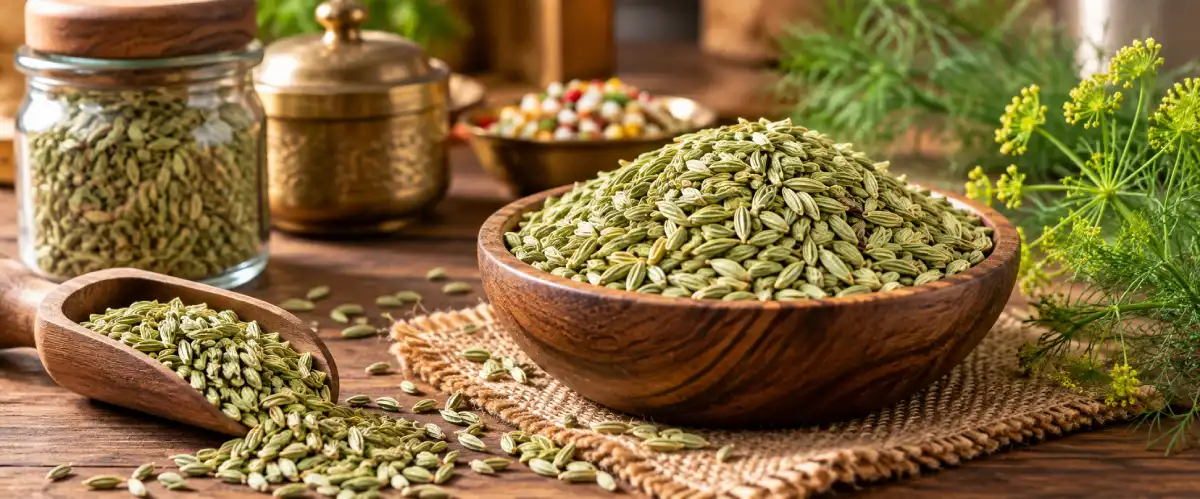
The Story of Saunf: How This Tiny Seed Became an Everyday Kitchen Favourite

Some of the items used in Indian households may appear insignificant, but their significance in culinary practices cannot be understated. One such item is Saunf, which is popularly known as fennel seeds. Found in a small box kept on the dining table, in spice blends, in candies, in pickles, and as mouth fresheners, Saunf has become an integral part of Indian culinary practices.


Being a naturally sweet and aromatic herb, Saunf has gained popularity by being consumed after a meal or during the cooking of different dishes. The taste of this herb has made it popular through the ages. It is so common in Indian culinary practices that people eat Saunf after a meal in restaurants, during weddings, and even in families.


What Is Saunf?


"Fennel Seeds" in English are known as "Saunf" in India, which are derived from the fennel plant (Foeniculum vulgare). Saunf is a part of the same botanical family as some other spices such as cumin and coriander.


The seeds are easily distinguished by their oval shape, green colour, aromatic nature, and slight sweetness. Unlike most spices that have a strong taste, saunf has a mild flavour that can be used for sweet and savoury dishes. 


One of the main uses of saunf in India is attributed to this characteristic.


From an Ancient Ingredient to an Indian Kitchen Staple


Fennel is native to the Mediterranean area and has been used as a flavouring agent in several cuisines over the years. Fennel has grown in popularity in Indian cuisine and has evolved to serve an especially well-known purpose in regional cuisines and post-meal traditions.


In Indian cuisine, saunf has come to mean more than just a flavouring ingredient. It became a common ritual to finish off meals with some aromatics and fresh breath. A dish of fennel seeds is now often instantly recognised as the sign of a completed meal.


Why Is Saunf Traditionally Eaten After Meals?


The one area in which saunf is used that is most recognisable is as a mouth freshener after a meal. The refreshing scent of saunf leaves a pleasant taste in the mouth, making it customary to consume it after a meal.


Fennel has always been known to have properties that ease digestion, as seen in the current literature available. However, the property of fennel to have carminative effects does not mean that it takes the place of any medical treatment for symptoms of bloating and gas.


In many cases, it is the custom itself which is valued just as much as the reason behind consuming saunf.


Saunf Is More Than Just a Mouth Freshener


1. Used in Indian Cooking


Fennel can be mixed with various savoury dishes to provide mild sweetness and aromatic flavour. It is incorporated into spices and local cuisine in India, such as those related to North Indian cuisine, Kashmiri cuisine, and Bengali cuisine. In Bengali cuisine, fennel is a spice included in panch phoron.


2. A Popular Ingredient in Mukhwas


One of the easily identifiable components of traditional mukhwas is saunf. It can be eaten either in its natural form, roasted form, or in combination with other components. The use of coloured and flavoured forms of fennel has only added to the popularity of this tradition in the modern era.


3. Used in Beverages


Fennel seeds can also be steeped in hot water to make a simple fennel infusion. This is another traditional way of enjoying its mild aroma and flavour. 


4. Adds Character to Sweets


The naturally sweet aroma of saunf makes it suitable for certain Indian sweets and festive preparations. Its flavour can add a subtle aromatic note without overpowering the main ingredients.


Saunf Across Indian Food Traditions


The varied culinary traditions of India have led to various applications of saunf. In some recipes, the use of saunf is predominantly that of a spice. In other cases, it is linked more with the concept of mukhwas or after-meals.


Fennel seeds form an integral part of the aromatic spices used in Kashmiri cuisine. In Bengali cuisine, it is known for its use in panch phoron. It is relished all over the country post-meals owing to its delightful taste and smell.


Why Saunf Has Remained Popular Through Generations


While food fads may come and go, certain foods stick around simply because of their ease and familiarity. Saunf is one such food.


It does not need a long or elaborate cooking process. It can be used by simply placing a little of it on the table after meals. It is pleasant in smell, which makes it enjoyable, and its association with Indian cuisine traditions makes it familiar.


To the older generation, it may remind them of family dinners, weddings, festive occasions, and traditional kitchens, whereas the younger generation knows saunf through its flavoured or modern variations.


Saunf: A Tiny Seed with a Big Place in Indian Food Culture


The story of saunf is ultimately a story about how a small ingredient can become part of everyday traditions. What began as an aromatic spice has found its place in cooking, sweets, beverages, mukhwas, festive occasions, restaurants, and family dining tables.


Saunf is much more than a tiny aromatic seed—it is a timeless part of Indian food culture, enjoyed in kitchens and after meals for generations. From traditional saunf and variayali to refreshing mouth-freshener blends, there are many ways to enjoy its familiar flavour. Explore the wide range of traditional mouth fresheners available in the Mahavir Dry Fruits Mouth Fresheners collection, and discover more dry fruits, sweets, snacks, and everyday favourites on Mahavir Dry Fruits.