Logo
  • Home
  • Products
  • Blogs
  • Contact us
Login / Signup

Blogs > Unlocking the Power of Plant Protein: Incorporating Chia, Sunflower, and Pumpkin Seeds

Mahavir Dry Fruits Logo
BlogsContact UsDownload Our App
Terms & ConditionsPrivacy PolicyPricing, Delivery, Return & Refund Policy
My CartMy WishlistMy Profile

Get in Touch

+91 90042 09290 (East)
+91 70215 69220 (West)
mahavirdryfruits.website@gmail.com

Together we can

©

Mahavir Dry Fruits | All Rights Reserved

Designed & Developed by iDigitize

Back to all articles
19-11-2026

Unlocking the Power of Plant Protein: Incorporating Chia, Sunflower, and Pumpkin Seeds
Unlocking the Power of Plant Protein: Incorporating Chia, Sunflower, and Pumpkin Seeds

The inclusion of plant-based products is increasingly becoming an integral part of our daily diets due to the necessity of including natural foods that contain proteins, fibre, fats, and important minerals in our nutrition. Although legumes, nuts, and soybeans are among the most common sources of plant-based protein, there are other products to consider.


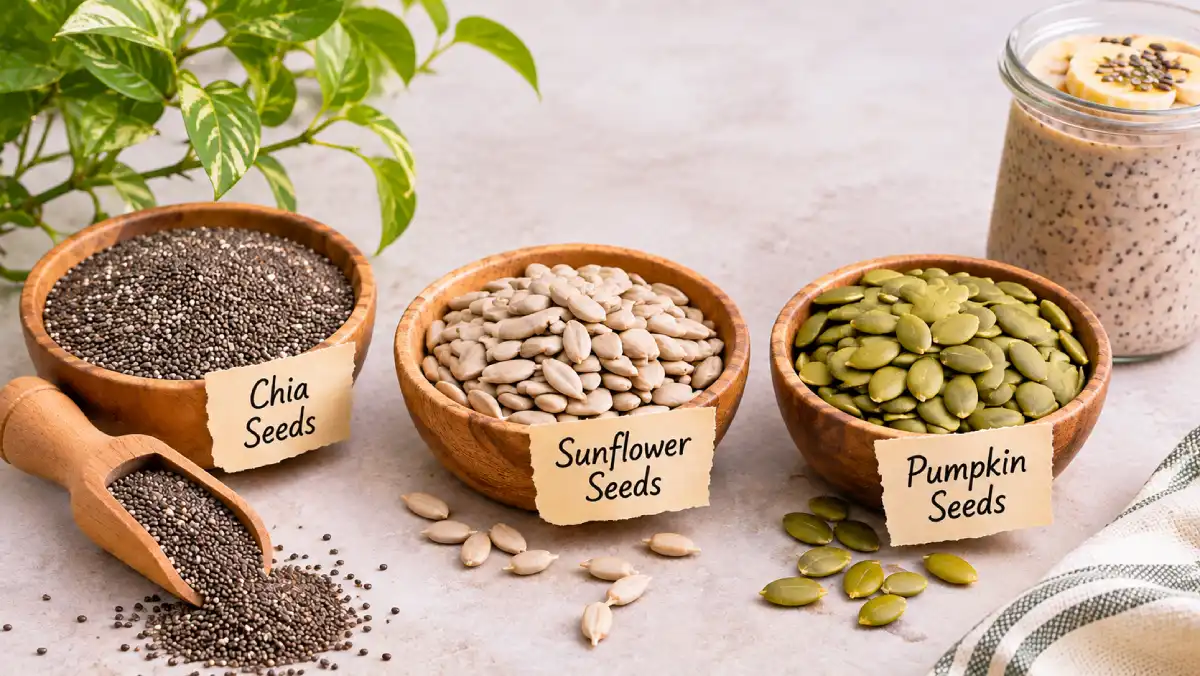
For example, chia, sunflower, and pumpkin seeds are small seeds that contain different nutrients and can be easily included in your meals, such as breakfast cereals, salads, shakes, etc. Whether you adhere to a strict vegetarian diet or want to vary your meals, you can use these seeds in your daily eating routine.


Why Is Plant-Based Protein Important?


Proteins are important macronutrients responsible for many body processes. Protein helps to create muscles and tissues, assists in tissue rebuilding and participates in hormone and enzyme formation.


Plant sources of protein include beans, lentils, peas, soy products, whole grains, nuts, and seeds. You can add these food types to your diet to cover your daily protein needs and get dietary fiber, vitamins, minerals, and healthy fats at the same time.


One of the advantages of seeds is that they can easily be added to your meals and smoothies, used in making snacks, etc. Seeds are rich in protein, but they are high in calories as well.


  1. Chia Seeds: A Combination of Protein, Fibre, and Healthy Fats


Chia seeds are very small and edible seeds. Chia seeds have an amazing nutrition profile including plant protein, fiber, minerals, and alpha-linolenic acid (ALA) which is a form of plant omega-3 fatty acid.


One of the most interesting characteristics of chia seeds is that they can soak up the liquid and become gelatinous in consistency. This makes them great for pudding, smoothies, and overnight oats.


Nutritional value of chia seeds:


  • Plant protein: Adds some plant protein to breakfasts, snacks, and smoothies.
  • Fiber: Promotes digestive health and helps you feel fuller.
  • Omega-3 fatty acids: Helps you get ALA, which is an important fatty acid and part of a balanced diet.
  • Minerals: Includes calcium, magnesium, phosphorus, and iron.
  • Ways of using chia seeds in your daily meals:
  • Include one tablespoon of chia seeds in your overnight oats or breakfast porridge.
  • Mix soaked chia seeds into your smoothies.
  • Make chia pudding using milk or plant milk.
  • Sprinkle chia seeds on yoghurt and fruits.
  • Incorporate them into healthy homemade energy bars.
  •  

    2. Sunflower Seeds: A Source of Plant Protein and Vitamin E


    Sunflower seeds are popular for their mild, nutty flavour and crunchy texture. They are a convenient source of plant-based protein and contain unsaturated fats, fibre, vitamin E, and other essential nutrients.


    Vitamin E is an antioxidant that helps protect cells from oxidative damage. Sunflower seeds also provide minerals such as magnesium and selenium, which contribute to normal body functions.


    Nutritional benefits of sunflower seeds:


    • Plant protein: Helps increase the protein content of everyday meals.
    • Vitamin E: Provides an antioxidant nutrient that supports normal cellular protection.
    • Healthy fats: Contains predominantly unsaturated fats.
    • Minerals: Supplies nutrients such as magnesium and selenium.
    • Dietary fibre: Contributes to a fibre-rich eating pattern.


    How to include sunflower seeds in your diet:


    • Sprinkle roasted sunflower seeds over vegetable salads.
    • Add them to breakfast cereals and muesli.
    • Blend them into homemade seed butter.
    • Mix them into whole-grain bread and muffin recipes.
    • Use them as a crunchy topping for soups and cooked vegetables.


    3. Pumpkin Seeds: A Nutrient-Rich Addition to Your Diet


    Pumpkin seeds, also known as pepitas when sold without their outer shells, are among the popular choices for people looking to include more plant-based protein in their meals. They contain protein, unsaturated fats, magnesium, zinc, iron, and other nutrients. Their slightly nutty flavour makes them easy to combine with both sweet and savoury foods.


    Nutritional benefits of pumpkin seeds:


    • Protein content: Contributes plant-based protein to snacks and meals.
    • Magnesium: Supports normal muscle and nerve function.
    • Zinc: Plays a role in normal immune function and several other processes.
    • Iron: Helps support the production of haemoglobin, which carries oxygen in the blood.
    • Healthy fats: Provides unsaturated fats as part of a balanced diet.


    How to include pumpkin seeds in your diet:


    • Enjoy a small handful as a snack.
    • Sprinkle them over salads and roasted vegetables.
    • Add them to homemade granola and trail mixes.
    • Blend them into smoothies.
    • Use them as a topping for soups, sandwiches, and breakfast bowls.


    How Much Seeds Should You Eat Daily?


    Seeds are nutrient-dense foods, which means even small portions can contribute protein, fibre, and healthy fats to your diet. However, they also contain a considerable amount of energy, so eating large quantities is not necessary.


    A practical starting point is around one to two tablespoons of mixed seeds per day, depending on your overall diet, nutritional needs, and tolerance. You can adjust the quantity according to your meals and preferences.


    Remember that seeds should complement other protein sources rather than replace them entirely. Include foods such as lentils, beans, dairy products, tofu, and other suitable protein-rich ingredients to maintain a balanced diet.


    Make Plant-Based Nutrition a Part of Your Everyday Lifestyle


    Eating a balanced diet does not have to involve complicated recipes or expensive ingredients. Simple additions such as chia, sunflower, and pumpkin seeds can help diversify your meals while providing plant-based protein, fibre, healthy fats, and essential minerals.


    Small changes in your daily eating habits can make a meaningful difference to the variety and nutritional quality of your meals. By incorporating chia, sunflower, and pumpkin seeds into your routine, you can enjoy the goodness of plant-based protein along with fibre, healthy fats, and essential minerals. Explore quality dry fruits, seeds, and wholesome everyday essentials at Mahavir Dry Fruits and discover more ways to make nutritious ingredients a regular part of your lifestyle.